CONSERVATION IN TANZANIA – PROTECTING NATURE FOR FUTURE GENERATIONS WITH NICEVENTURES
Tanzania is one of Africa’s most biodiverse countries, boasting world-renowned national parks, game reserves, and marine ecosystems. From the endless plains of the Serengeti and the iconic Ngorongoro Crater to the lush forests of the Eastern Arc Mountains and the pristine waters surrounding Zanzibar, Tanzania’s natural landscapes are a magnet for eco-tourists and nature lovers.
At NiceVentures, we believe that responsible tourism is key to preserving Tanzania’s natural heritage. Our conservation-focused tours allow travelers to enjoy the country’s wildlife and ecosystems while supporting sustainable practices that protect nature for future generations.
Why Conservation Matters in Tanzania
Tanzania’s conservation initiatives are crucial for maintaining biodiversity, protecting endangered species, and sustaining the country’s wildlife-based economy. Key reasons include:
- Protecting Endangered Species: Tanzania is home to the Big Five lion, elephant, leopard, buffalo, and rhino as well as threatened species such as African wild dogs, cheetahs, and black rhinos. Conservation programs prevent poaching and habitat loss.
- Maintaining Ecosystem Balance: Preserving natural habitats ensures predator-prey relationships and healthy ecosystems remain intact.
- Supporting Local Communities: Conservation projects generate employment in tourism, ranger services, and community-based programs, improving livelihoods for local populations.
- Preserving Tourism Revenue: Wildlife tourism contributes billions annually to Tanzania’s economy, funding ongoing conservation efforts.
Protected Areas and Conservation Parks in Tanzania
Over 25% of Tanzania’s land is designated as protected areas, including national parks, game reserves, and marine sanctuaries. Top conservation destinations include:
- Serengeti National Park
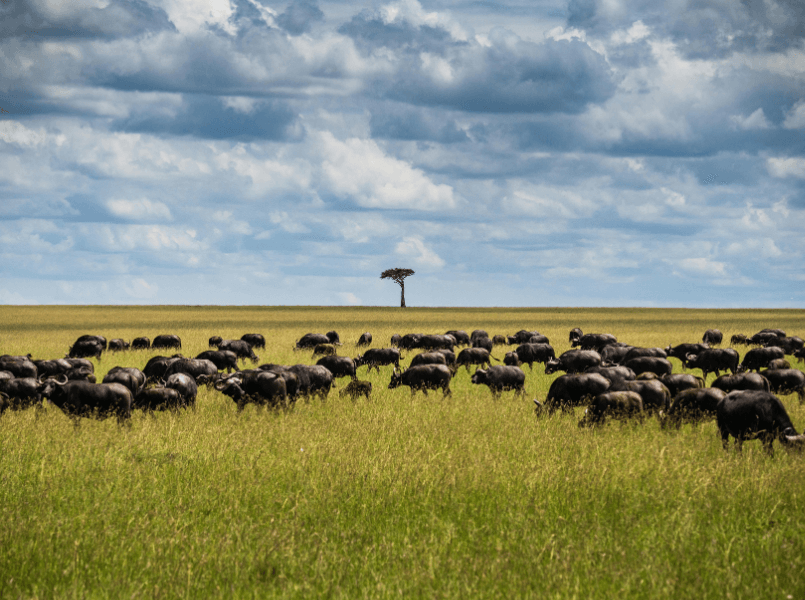
- Famous for the Great Migration, where millions of wildebeest and zebras traverse the plains.
- A UNESCO World Heritage Site, vital for predators like lions, leopards, and cheetahs.
- Ngorongoro Conservation Area
- Home to the Ngorongoro Crater, offering Africa’s highest predator density.
- Conservation programs integrate Maasai communities, allowing coexistence with wildlife.
- Tarangire National Park
- Renowned for large elephant herds and ancient baobabs.
- Serves as a crucial dry-season refuge for wildlife, emphasizing water conservation.
- Ruaha National Park
- Tanzania’s largest park, with vast landscapes and diverse wildlife.
- Less crowded than the Serengeti, ideal for low-impact, sustainable tourism.
- Selous Game Reserve (Nyerere National Park)
- One of the largest protected areas in the world, home to African wild dogs and other endangered species.
- Marine Conservation Areas
- Mafia Island Marine Park and Mnemba Atoll protect coral reefs, sea turtles, and whale sharks.
- Eco-friendly diving and snorkeling contribute to ongoing marine conservation.
Key Conservation Challenges in Tanzania
Despite strong conservation efforts, Tanzania faces several challenges:
- Poaching and Illegal Wildlife Trade
- Threats to elephants and rhinos remain significant.
- Anti-poaching units like TAWA actively protect wildlife.
- Human-Wildlife Conflict
- Expanding human settlements increase encounters between communities and wildlife.
- Mitigation programs include community conservation initiatives and compensation schemes.
- Climate Change and Habitat Loss
- Rising temperatures, deforestation, and altered rainfall affect ecosystems.
- Reforestation and sustainable land-use projects help combat these effects.
- Unsustainable Tourism Practices
- Off-road driving, overcrowded tours, and irresponsible behavior can harm wildlife and habitats.
- Responsible tourism reduces negative impacts on protected areas.
Conservation Organizations in Tanzania
Several organizations actively support wildlife protection and environmental preservation:
- Tanzania National Parks Authority (TANAPA): Manages national parks and promotes eco-tourism.
- Frankfurt Zoological Society (FZS): Supports Serengeti and other conservation areas.
- Wildlife Conservation Society (WCS): Conducts research and conservation projects nationwide.
- Big Life Foundation: Protects elephants and reduces human-wildlife conflicts.
- Sea Sense Tanzania: Focuses on marine conservation and sea turtle protection.
These organizations work closely with local communities, governments, and tourism operators to ensure long-term conservation success.
How Tourists Can Support Conservation in Tanzania
Visitors can actively contribute to protecting Tanzania’s natural heritage:
- Choose Eco-Friendly Tour Operators
- Book with companies like NiceVentures that follow sustainable tourism practices.
- Support lodges and camps using solar energy, minimizing waste, and engaging in conservation projects.
- Follow Park Rules and Guidelines
- Stay on designated roads and avoid disturbing wildlife.
- Dispose of waste responsibly and reduce single-use plastics.
- Participate in Conservation Activities
- Visit community-led initiatives and learn about local conservation efforts.
- Volunteer or donate to wildlife and environmental projects.
- Respect Local Cultures and Communities
- Engage ethically with communities while supporting initiatives benefiting both people and wildlife.
Experience Tanzania’s Natural Wonders with NiceVentures
At NiceVentures, we combine eco-friendly safari experiences with educational insights on wildlife conservation. Our tours minimize environmental impact while offering unforgettable wildlife encounters across Tanzania’s most iconic landscapes.