Tel: +255 759 055 435

Tel: +255 759 055 435 | sales@niceventurestravel.com
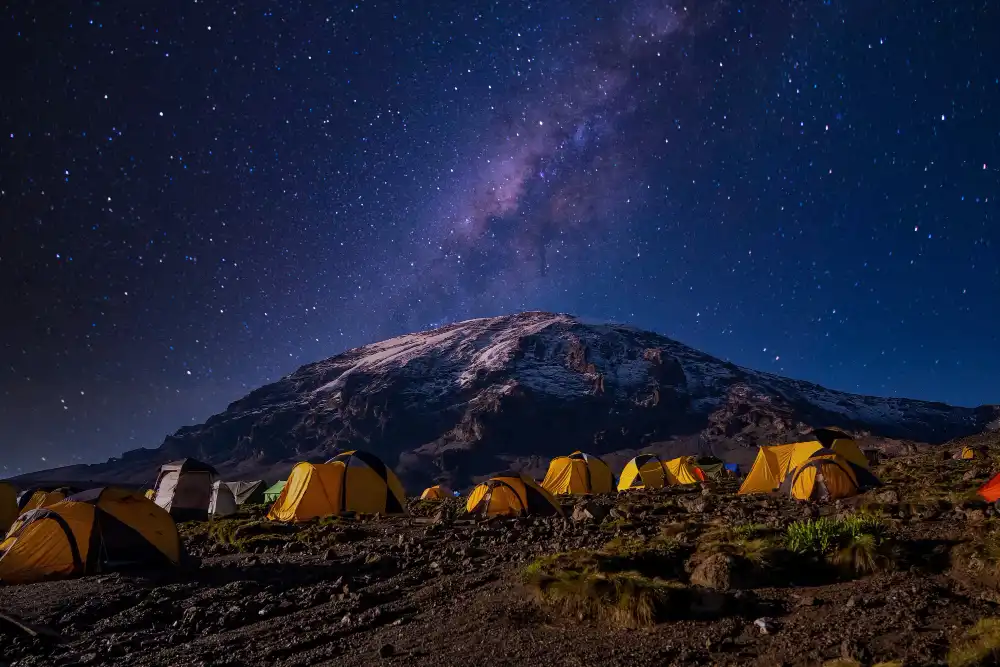
PREPARING FOR MOUNTAIN CLIMBING IN TANZANIA – A COMPLETE GUIDE BY NICEVENTURES
Tanzania is a land of awe-inspiring natural beauty, home to Africa’s most iconic mountains — Mount Kilimanjaro and Mount Meru. Whether you’re drawn to the thrill of standing atop “The Roof of Africa” or the serene challenge of scaling Mount Meru’s volcanic slopes, mountain climbing in Tanzania offers an adventure unlike any other.
At NiceVentures, we design expertly guided mountain expeditions that combine safety, comfort, and authentic adventure. Our team of professional mountain guides, porters, and cooks ensures that every climber is well-prepared, properly equipped, and fully supported throughout their journey.
This comprehensive guide will help you plan, prepare, and succeed in your Tanzanian mountain climbing adventure.
Step 1: Choosing the Right Mountain and Route
Mount Kilimanjaro – The Roof of Africa
Mount Meru – Tanzania’s Hidden Gem
Your choice depends on your fitness level, climbing experience, and available time. For first-time climbers, Mount Meru is an excellent acclimatization trek before attempting Kilimanjaro.
Step 2: Prepare Your Travel Documents and Permits
Before your climb, make sure you have:
Having your documents organized guarantees a smooth travel and climbing experience.
Step 3: Train and Build Your Fitness
Though technical skills aren’t required, physical preparation is crucial.
Recommended Training Plan:
Begin training at least 2–3 months before your expedition for the best results.
Step 4: Pack the Right Gear for Your Climb
Proper gear is key to comfort and safety in the mountains.
Clothing Essentials:
Footwear:
Equipment & Accessories:
At NiceVentures, we help you review your gear list and provide rental options for any missing items.
Step 5: Understand Altitude Sickness and Acclimatization
Common Symptoms: Headache, nausea, dizziness, fatigue, and shortness of breath.
Prevention Tips:
Listening to your guide and recognizing early symptoms can prevent serious complications.
Step 6: Follow Responsible Climbing Etiquette
Sustainable trekking ensures these mountains remain pristine for generations to come.
At NiceVentures, we promote eco-friendly travel and support local mountain communities.
Step 7: What to Expect During Your Climb
Typical Daily Routine:
Understanding this routine helps you mentally prepare for the climb ahead.
Step 8: Celebrate Your Summit Success
Reaching the summit of Mount Kilimanjaro or Mount Meru is a life-changing accomplishment. Capture breathtaking photos, celebrate with your team, and enjoy the view from above the clouds. Upon descent, you’ll receive a NiceVentures Climbing Certificate to commemorate your achievement.
Book Your Tanzania Mountain Climbing Adventure with NiceVentures
At NiceVentures, we specialize in crafting safe, personalized, and memorable mountain climbing experiences in Tanzania. Whether you dream of conquering Kilimanjaro or exploring Mount Meru’s scenic trails, our expert guides ensure every moment is filled with adventure and discovery.
Contact NiceVentures Today:
Embark on the ultimate Tanzanian mountain climbing experience with NiceVentures — where every step takes you closer to the summit of your dreams.